Pitco Deep Fryer Manual: A Comprehensive Guide
This manual details operation, maintenance, and troubleshooting for Pitco Frialator fryers, sourced from manualzilla and other collections of kitchen appliance guides․
Pitco deep fryers are renowned within the commercial food service industry for their durability, efficiency, and consistent frying performance․ This guide serves as a comprehensive resource for owners and operators of Pitco Frialator models, ensuring safe and optimal operation․ From bustling restaurants to smaller food establishments, Pitco fryers deliver reliable results․
Understanding the specific features of your Pitco fryer is crucial․ Manuals, like those found on manualzilla, provide detailed information regarding your model’s capabilities․ Proper usage extends the fryer’s lifespan and maintains food quality․ This manual will cover everything from initial setup to advanced features, promoting efficient and safe frying practices․
Understanding Your Pitco Model
Pitco offers a diverse range of deep fryers, each designed with specific features to meet varying operational needs․ Identifying your exact model number is the first step towards effective operation and maintenance․ This information is typically found on the fryer’s data plate, often located on the back or underside of the unit․
Referencing your specific model’s manual – resources like manualzilla offer archived versions – will reveal unique controls, safety features, and recommended procedures․ Understanding these nuances ensures optimal performance and prevents potential issues․ Familiarize yourself with the fryer’s components and their functions before initial use, maximizing efficiency and longevity․
Safety Precautions & Warnings
Deep fryers involve high temperatures and potentially hazardous materials; therefore, strict adherence to safety guidelines is crucial․ Always ensure the fryer is grounded properly to prevent electrical shock․ Never operate the fryer without sufficient oil, as this can damage heating elements and create a fire hazard․
Keep flammable materials away from the fryer at all times․ Exercise extreme caution when handling hot oil; use appropriate protective gear like oven mitts․ Regularly inspect the power cord for damage and never attempt to repair the fryer yourself – contact authorized service personnel․ Prioritize safety to prevent accidents and ensure a secure cooking environment․
Initial Setup & Installation
Proper installation is vital for optimal performance and safety․ Begin by carefully unpacking the fryer and inspecting for any shipping damage; report any issues immediately․ Select a level, stable location with adequate ventilation, away from flammable materials and water sources․

Ensure sufficient clearance around the fryer for airflow and maintenance access․ For gas models, a qualified technician must connect the gas supply, verifying proper connections and leak testing․ Electrical connections should adhere to local codes․ Before first use, perform a thorough cleaning and familiarize yourself with all components and controls․
Unpacking and Inspection
Carefully unpack your new Pitco fryer, retaining all original packaging until you’ve confirmed complete functionality․ Inspect the unit thoroughly for any visible damage incurred during shipping – dents, scratches, or loose parts․ Compare the contents against the parts list included in the documentation; report any missing components immediately to the retailer or Pitco customer support․
Check the heating elements for cracks or damage․ Verify the fryer basket and support are present and undamaged․ Document any discrepancies with photographs before contacting support for a swift resolution․ Proper inspection prevents potential hazards and ensures a smooth start-up․
Location Requirements & Ventilation
Proper placement is crucial for safe and efficient operation of your Pitco fryer․ Select a level, stable, and non-combustible surface, away from flammable materials․ Ensure adequate ventilation to prevent grease buildup and maintain comfortable working conditions; a dedicated exhaust hood is highly recommended․
Maintain sufficient clearance around the fryer – at least 12 inches on all sides – for airflow and service access․ Avoid locations near water sources or high-traffic areas․ Gas models require adherence to local gas codes, including proper ventilation for combustion byproducts․ Always prioritize safety when choosing a location․
Connecting to Power & Gas (if applicable)
Electrical connection must be performed by a qualified electrician, ensuring voltage and amperage match the fryer’s specifications․ Use a dedicated circuit to prevent overloading․ For gas models, a licensed gas technician should connect the fryer to the gas supply, verifying proper pressure and leak-testing all connections․
Never use damaged cords or gas lines․ Ensure the gas shut-off valve is easily accessible․ Follow all local codes and regulations regarding electrical and gas installations․ Improper connections can create hazardous conditions, including fire or explosion․ Always double-check connections before operation․
Operating Instructions
Before first use, ensure the fryer is properly set up and all safety precautions are followed․ Power on the unit and allow sufficient preheating time, monitoring the temperature gauge․ Carefully set the desired frying temperature using the control panel, referencing recommended guidelines for different food types;
Lower the basket slowly into the hot oil, avoiding splashing․ Adhere to recommended frying times to ensure food is cooked thoroughly and safely․ Never overfill the basket, and avoid overcrowding the fryer․ Regularly monitor oil temperature during operation for consistent results․
Powering On & Preheating
Before powering on, verify the fryer is correctly connected to the power source and oil levels are appropriate․ Turn the main power switch to the ‘ON’ position․ Allow ample time for the heating elements to reach the set temperature; this preheating phase is crucial for optimal frying performance․
Monitor the temperature gauge closely during preheating․ The fryer is ready when it reaches the desired temperature and the indicator light illuminates (if equipped)․ Avoid loading food until fully preheated to ensure consistent cooking and prevent temperature drops․
Setting Temperature Controls
Pitco fryers utilize either manual or digital temperature controls․ For manual models, rotate the thermostat dial to the desired frying temperature, referencing food-specific guidelines․ Digital models allow precise temperature input via the control panel․ Always double-check the set temperature before adding food․
Consistent temperature is vital for quality results․ Avoid frequent adjustments during operation․ If temperature fluctuations occur, consult the troubleshooting section․ Remember different foods require different temperatures for safe and effective cooking; always prioritize food safety․

Loading the Fryer Basket
Before loading, ensure food is reasonably dry to minimize oil splatter․ Do not overcrowd the fryer basket; maintain sufficient space around food items for even cooking and consistent results․ Overloading lowers oil temperature significantly, leading to soggy products․
Lower the basket slowly and gently into the hot oil to prevent splashing․ Use the basket support to securely position the basket during frying․ Avoid exceeding the maximum fill line indicated on the fryer․ Regularly check food during the frying process for desired color and crispness․
Frying Times & Temperatures (General Guidelines)
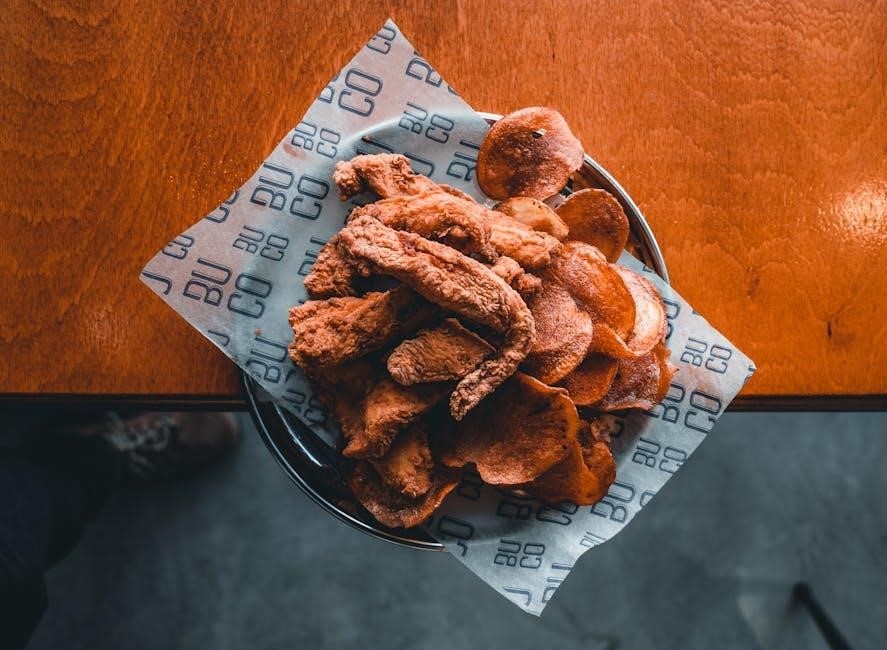
Optimal frying depends on food type and thickness; these are general recommendations․ For french fries, aim for 325°F (163°C) for 2-4 minutes․ Chicken pieces typically require 350°F (177°C) for 6-8 minutes․ Fish fillets generally fry best at 375°F (190°C) for 3-5 minutes․
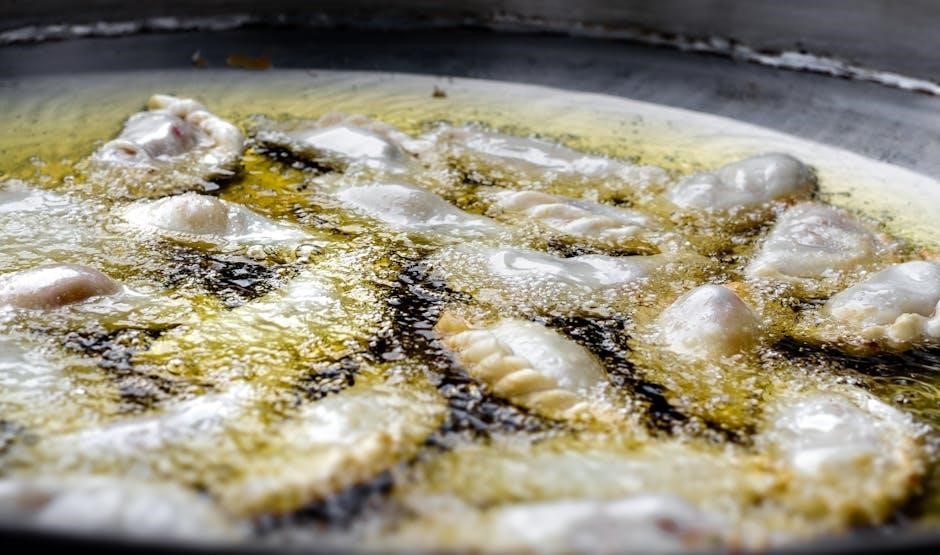
Always use a thermometer to verify oil temperature․ Adjust cooking times based on batch size and desired crispness․ Smaller pieces cook faster․ Monitor food closely to prevent burning․ Refer to specific recipes for precise instructions, as these are merely starting points․
Cleaning & Maintenance
Regular cleaning extends your Pitco fryer’s lifespan and ensures food safety․ Daily procedures involve removing debris from the fry tank and cleaning the fryer exterior․ Implement a regular filter change schedule – typically after each use or shift – to maintain oil quality; A deep cleaning, including thorough tank scrubbing, should occur weekly or monthly, depending on usage․
Proper oil disposal is crucial; never pour used oil down drains․ Explore oil recycling options․ Consistent maintenance prevents buildup, optimizes performance, and safeguards against potential hazards․ Refer to the detailed schedules within for specific guidance․
Daily Cleaning Procedures
Consistent daily cleaning is vital for maintaining a sanitary and efficient Pitco fryer․ After each use, allow the oil to cool completely before draining․ Remove all food particles and sediment from the fry tank using a fryer brush or skimming tool․ Wipe down the exterior surfaces with a damp cloth and mild detergent, paying attention to control panels․
Clean the fryer basket and support thoroughly with hot, soapy water․ Inspect and clean the filtration system components if applicable․ Proper daily upkeep prevents oil degradation and ensures optimal frying performance, contributing to longer equipment life and food quality․
Regular Filter Changes
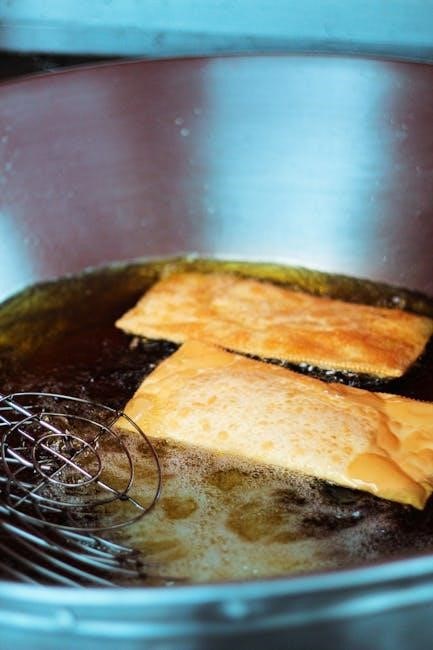
Maintaining clean fryer oil is paramount; regular filter changes are essential․ Depending on usage, filter the oil daily or after each frying cycle using the Pitco’s filtration system, if equipped․ Replace filter paper or envelopes frequently – a clogged filter compromises oil quality and frying results․
Consider oil turnover rate; completely replace the oil when it shows signs of degradation (dark color, excessive foaming, off-flavor)․ Document filter changes and oil replacements for tracking purposes․ Consistent filtration extends oil life, reduces off-flavors, and ensures consistently high-quality fried foods․
Deep Cleaning Schedule
Establish a routine deep cleaning schedule for optimal performance and longevity․ Weekly, thoroughly clean the exterior surfaces with a mild detergent, avoiding abrasive cleaners․ Monthly, disassemble and clean components like the fryer basket, support, and oil filtration system․ Inspect and clean burner assemblies (gas models) for obstructions․
Quarterly, perform a comprehensive cleaning of the oil tank and heating elements, following Pitco’s specific instructions․ Regularly check and clean ventilation hoods and grease traps․ Maintain detailed records of all deep cleaning activities․ Adhering to this schedule prevents buildup and ensures safe, efficient operation․

Oil Disposal & Recycling
Proper oil disposal is crucial for environmental responsibility and safety․ Never pour used fryer oil down drains; it causes significant plumbing and environmental issues․ Allow oil to cool completely before handling․ Strain the oil to remove food particles, extending its potential for recycling․
Store used oil in a sealed, labeled container․ Contact local waste management services or recycling centers for approved disposal methods․ Many restaurants participate in oil recycling programs, converting used oil into biodiesel․ Always comply with local regulations regarding oil disposal․ Responsible practices protect our environment․
Troubleshooting Common Issues
This section addresses frequent problems encountered with Pitco deep fryers, aiding in quick resolution․ If the fryer isn’t heating, check the power supply and heating element continuity․ Temperature fluctuations often indicate a faulty thermostat or control panel issue requiring calibration or replacement․
Oil overheating can stem from a malfunctioning thermostat or excessive oil levels․ For gas models, gas supply problems – like a closed valve or regulator failure – must be investigated․ Always disconnect power before attempting repairs․ If issues persist, consult a qualified technician for professional assistance and avoid self-repair․
Fryer Not Heating
If your Pitco fryer fails to heat, begin with basic checks․ Ensure the power cord is securely connected to a functioning outlet and that the fryer’s power switch is engaged․ Inspect the circuit breaker or fuse box for tripped breakers or blown fuses․ Next, examine the heating elements for any visible damage or breaks – a replacement may be necessary․
A faulty thermostat can also prevent heating; testing its continuity is crucial․ For gas models, verify the gas supply is on and the pilot light is lit․ Always disconnect power before inspecting internal components․ If the problem persists, professional service is recommended․
Temperature Fluctuations
Inconsistent fryer temperatures can impact food quality and safety․ First, confirm the thermostat is correctly calibrated and functioning; a miscalibration leads to inaccurate readings․ Check for proper ventilation around the fryer – restricted airflow can cause overheating and cycling․ Ensure the fryer isn’t overloaded, as excessive food volume lowers oil temperature significantly․
Inspect the heating elements for partial failures or inconsistencies․ Regular filter changes are vital, as dirty oil affects heat transfer․ For gas models, verify consistent gas pressure․ If fluctuations continue, a professional diagnosis of the control system is advised․
Oil Overheating
Oil overheating presents a significant fire hazard and degrades oil quality rapidly․ Immediately turn off the fryer and disconnect the power or gas supply․ Ensure adequate ventilation around the unit isn’t obstructed, as this contributes to heat buildup․ Check the thermostat for malfunction; a faulty thermostat won’t regulate temperature correctly․
Inspect the high-limit switch; it should trip to prevent overheating․ Never leave a fryer unattended during operation․ If overheating persists after addressing these points, a professional service technician should inspect the heating elements and control system for potential issues․
Gas Supply Problems (if applicable)
If your Pitco fryer utilizes gas, ensure the main gas supply valve is fully open․ Check the gas line for any kinks or obstructions that might restrict flow․ A yellow or flickering flame indicates incomplete combustion, requiring immediate attention – turn off the fryer and call a qualified gas technician․
Verify the pilot light is lit (if applicable) and relight it following the manufacturer’s instructions․ Never attempt to repair gas lines yourself; this is extremely dangerous․ Regularly inspect gas connections for leaks using a soapy water solution – bubbles indicate a leak․ Contact your gas company or a certified technician for any suspected gas supply issues․
Parts & Components Overview
Pitco fryers consist of several key components crucial for safe and efficient operation․ The fryer basket, typically stainless steel, holds food during frying and rests on a support․ Heating elements, either electric or gas-powered, maintain oil temperature, regulated by thermostats․
The control panel features displays for temperature settings and timers․ An oil filtration system, often integrated, removes debris for cleaner frying․ Understanding these parts is vital for maintenance․ Regular inspection of the basket for damage, and the heating elements for proper function, ensures longevity․ Familiarize yourself with the location of each component for effective troubleshooting․
Fryer Basket & Support
The Pitco fryer basket is typically constructed from durable stainless steel, designed for repeated use and easy cleaning․ Its mesh construction allows for even oil circulation around the food, ensuring consistent frying․ The support system securely holds the basket above the oil, preventing accidental immersion and facilitating safe removal․
Regularly inspect the basket for any signs of damage, such as bent wires or cracks․ A damaged basket can compromise food safety and fryer performance․ Ensure the support is firmly attached and stable before each use․ Proper basket loading – avoiding overcrowding – is crucial for optimal results․
Heating Elements & Thermostats
Pitco fryers utilize robust heating elements, often immersed directly in the oil, to maintain precise frying temperatures․ These elements are designed for high-heat operation and longevity, but require periodic inspection for buildup or damage․ The thermostat is a critical component, regulating the element’s power to achieve and hold the set temperature․
Accurate temperature control is vital for food quality and safety․ A malfunctioning thermostat can lead to undercooked or overheated food, or even a fire hazard․ Regularly calibrate the thermostat according to the manufacturer’s instructions․ Inspect elements for corrosion or breaks during cleaning․
Control Panel & Displays
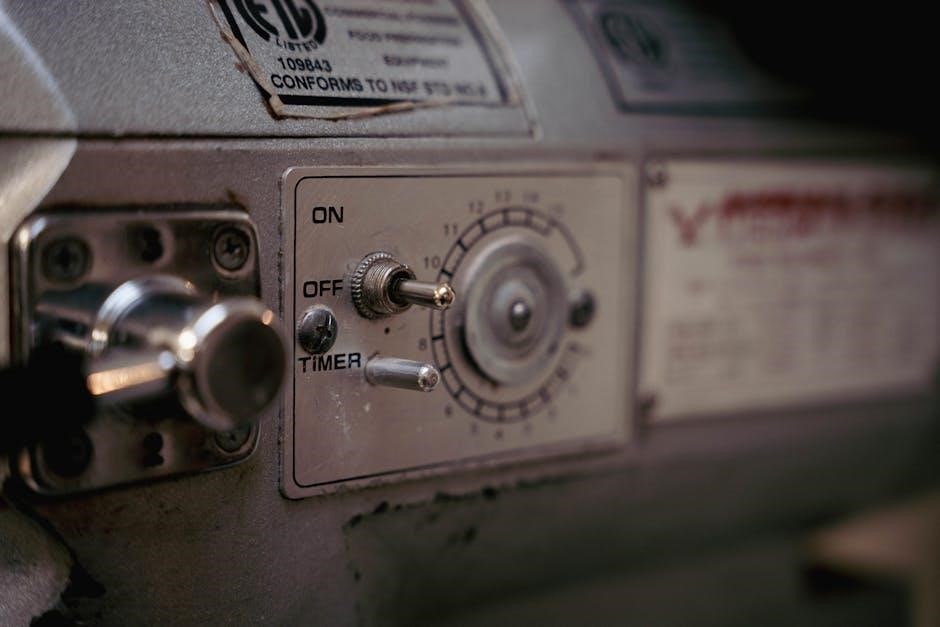
Pitco fryer control panels vary depending on the model, ranging from simple mechanical dials to sophisticated digital interfaces․ Mechanical controls typically feature temperature adjustment knobs and timer settings․ Digital models offer precise temperature input, programmable cycles, and often display real-time oil temperature and melt-out countdowns․
Understanding the display is crucial for operation․ Error codes indicate potential issues, while temperature readouts confirm proper heating․ Familiarize yourself with all panel functions and indicators․ Regularly clean the panel to ensure readability and prevent malfunctions․ Refer to your specific model’s diagram for detailed component identification․
Oil Filtration System
Many Pitco fryers incorporate built-in oil filtration systems to maintain oil quality and extend its lifespan․ These systems typically involve a filter pan, pump, and disposable filter papers․ Regular filtration removes food particles, preventing off-flavors and reducing oil degradation․
The filtration process usually involves pumping oil from the fryer tank through the filter paper and back into the tank; Follow the manufacturer’s instructions for filter paper selection and replacement․ Proper filtration significantly improves fried food quality and reduces oil consumption․ Some advanced models feature automated filtration cycles for increased convenience and efficiency․
Advanced Features (Model Dependent)
Higher-end Pitco fryers boast several advanced features enhancing performance and ease of use․ Digital controls offer precise temperature management and programmable frying cycles, ideal for consistent results․ An automatic melt cycle gently heats oil, preventing splattering and ensuring even distribution․
Computerized filtration systems automate the oil filtration process, simplifying maintenance; Gas models may include high-efficiency burners for faster heat-up times and reduced gas consumption․ These features contribute to improved food quality, increased efficiency, and reduced operational costs, making them valuable assets in commercial kitchens․
Digital Controls & Programming
Pitco fryers equipped with digital controls provide unparalleled precision and flexibility․ The digital display allows for accurate temperature setting, often down to a single degree, ensuring consistent frying results․ Programming capabilities enable users to store custom frying profiles for various food items․
These profiles include specific temperature and time settings, automating the cooking process․ Features like timers and countdown displays further enhance convenience and prevent overcooking․ Digital controls also often incorporate diagnostic functions, alerting users to potential issues, and simplifying troubleshooting procedures for optimal performance․
Automatic Melt Cycle
Pitco fryers featuring an automatic melt cycle streamline the oil preparation process․ This function gently heats the oil, transitioning it from a solid to a liquid state without overheating or damaging it․ The cycle ensures the oil reaches the optimal frying temperature gradually, preserving its quality and extending its lifespan․
Utilizing the automatic melt cycle minimizes the risk of splattering and ensures even heating throughout the fryer․ It’s a convenient feature, particularly when starting with solidified shortening․ Following the cycle, the fryer automatically transitions to the set frying temperature, ready for immediate use, enhancing efficiency and safety․
Computerized Filtration Systems
Advanced Pitco models incorporate computerized filtration systems for superior oil maintenance․ These systems automate the filtration process, removing food particles and impurities with precision and efficiency․ Computerized controls monitor filtration time and oil quality, ensuring optimal performance and extending oil life significantly․
The systems often feature programmable cycles and alerts, notifying users when filtration is required․ This proactive approach minimizes downtime and maintains consistent frying results․ Benefits include reduced oil consumption, improved food quality, and simplified cleaning procedures, contributing to a more hygienic and cost-effective operation․
High-Efficiency Burners (Gas Models)
Pitco gas fryers utilize high-efficiency burners designed for rapid heat-up and consistent temperature control․ These burners maximize energy utilization, reducing gas consumption and lowering operating costs․ The design ensures even heat distribution across the frying area, promoting uniform cooking and minimizing hot spots․
Advanced burner technology provides quick recovery times after loading food, maintaining optimal oil temperature․ Features often include precise flame adjustment and robust construction for long-lasting performance․ Regular inspection and cleaning of the burners are crucial for maintaining efficiency and safety, as outlined in the maintenance schedule․
Warranty Information & Support
Pitco fryers are backed by a comprehensive warranty covering manufacturing defects in materials and workmanship․ Specific warranty terms, including duration and coverage details, are outlined in the separate warranty document included with your fryer․ Retain this document for future reference and potential warranty claims․
For warranty service or support, contact Pitco Customer Support directly․ Information regarding authorized service centers, capable of performing repairs and maintenance, is also available through Pitco’s website or customer service representatives․ Promptly report any issues to ensure timely resolution and maintain fryer performance․
Pitco Warranty Details
The Pitco warranty typically covers defects in materials and workmanship for a specified period, varying by model and component․ Generally, parts are covered for one year from the date of purchase, while labor is covered for a shorter duration, often 90 days․ This warranty excludes damage resulting from improper use, inadequate maintenance, or unauthorized repairs․
To initiate a warranty claim, you must provide proof of purchase and a detailed description of the defect․ Pitco reserves the right to inspect the unit and determine the validity of the claim․ Warranty service is performed by authorized Pitco service centers; self-repair may void the warranty․
Contacting Pitco Customer Support
For immediate assistance with your Pitco deep fryer, reaching their customer support team is crucial․ You can typically find contact information – including phone numbers and email addresses – on the official Pitco website․ Their support representatives are equipped to handle inquiries regarding operation, troubleshooting, warranty claims, and parts ordering․
Be prepared to provide your fryer’s model number and serial number when contacting support․ This will expedite the process and ensure they can offer tailored assistance․ Online resources, such as FAQs and knowledge bases, may also provide solutions to common issues before contacting a representative directly․
Finding Authorized Service Centers
When issues require professional attention, locating an authorized Pitco service center is essential for maintaining your fryer’s warranty and ensuring quality repairs․ Pitco’s website features a service locator tool, allowing you to search for certified technicians in your area based on your zip code or location․
Authorized service centers employ trained professionals familiar with Pitco equipment․ They have access to genuine Pitco parts and adhere to strict service standards․ Using an unauthorized repair service may void your warranty and potentially compromise the safety and performance of your fryer․ Always verify a service center’s authorization before scheduling a repair․
Resources & Manual Downloads
Pitco provides a wealth of resources to support fryer owners, including downloadable manuals and helpful documentation․ Manuals are readily available on the official Pitco website, often categorized by model number for easy access․ Websites like ManualsLib and Manualzilla also host extensive collections of Pitco fryer manuals, offering a convenient alternative source․
These resources cover everything from basic operation to detailed troubleshooting guides․ Downloading the manual specific to your Pitco model ensures you have the most accurate and up-to-date information․ Utilizing these resources empowers owners to perform routine maintenance and address minor issues independently, maximizing the lifespan of their fryer․