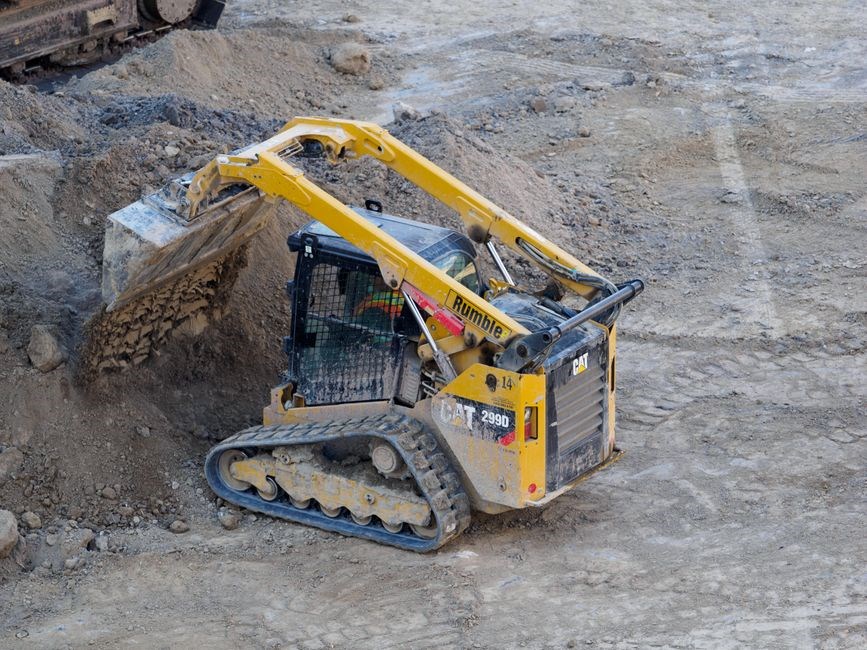
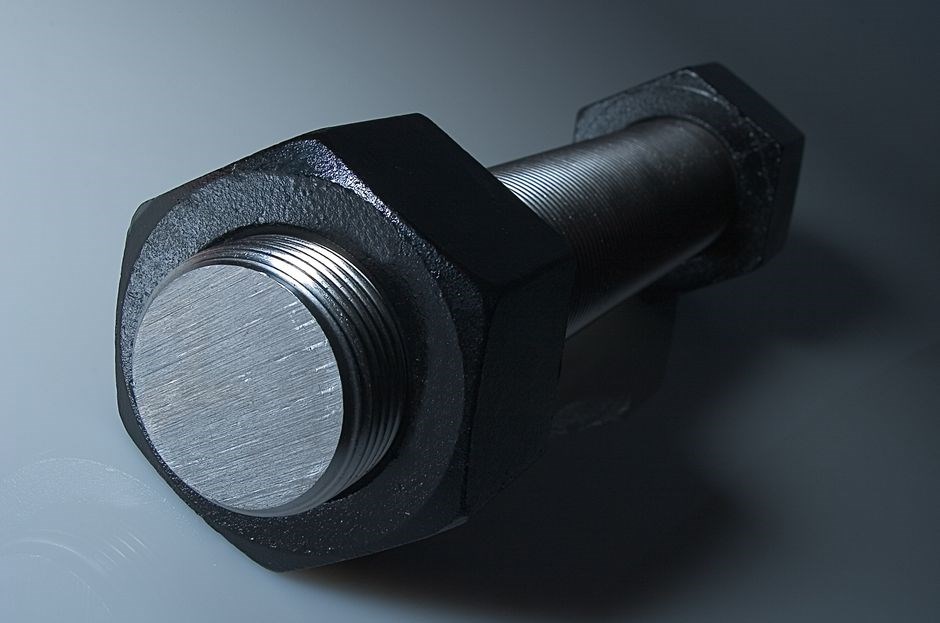
Caterpillar bolts are heavy‑duty fasteners designed for high‑load, high‑temperature environments. They feature a tapered shank and a large head to distribute force, making them ideal for structural connections in mining, construction, and heavy machinery. They are used in bridges and offshore
Defining Caterpillar Bolts and Their Applications
Caterpillar bolts are a specialized class of fasteners engineered for load conditions. Their defining feature is a tapered shank that mates with a matching socket, allowing precise alignment and even load distribution across the joint. The head is large and flat, providing a broad bearing surface that reduces stress concentration. These bolts are made from alloy steels such as 4340 or 8620, then heat‑treated to achieve tensile strengths exceeding 100 ksi. The result is a fastener that can withstand cyclic fatigue, high temperatures, and corrosive environments.
Applications span civil engineering, mining, offshore platforms, automotive, and aerospace. In bridges, they secure steel decks and tower pylons. In mining, they fasten support beams and haulage tracks. Offshore platforms use them to attach deck structures and wind turbine towers. Automotive manufacturers employ them in heavy‑duty chassis and suspension assemblies. Aerospace uses them for landing gear mounts and wing spars. Their versatility is enhanced by threaded inserts and keyways, enabling custom torque specifications.
Because torque required to achieve a given preload varies with bolt size, material, and thread pitch, manufacturers publish detailed torque charts. These charts are essential for technicians to ensure each bolt is tightened to the correct value, preventing over‑stress or under‑tightening. The caterpillar bolt torque chart PDF provides a comprehensive reference, listing torque values for a range of diameters and grades, along with recommended tools and calibration procedures. Proper torque application guarantees joint integrity and extends service life. Adhering to these specifications is critical for safety and longevity of critical structures!
Common Sizes and Material Grades
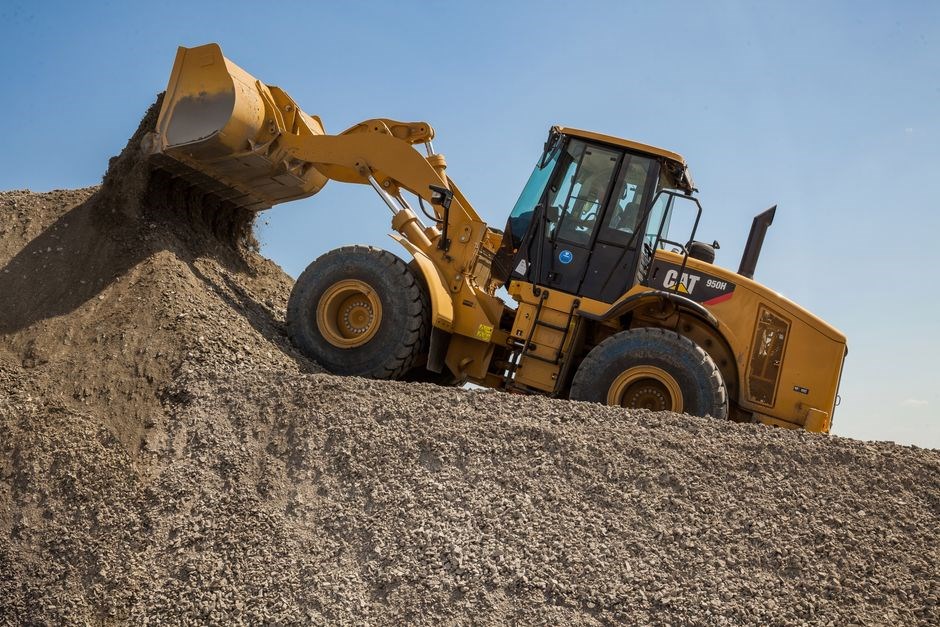
Common sizes of caterpillar bolts range from 1/4″ to 2-1/2″ in diameter, with thread pitches of 20, 24, and 32 threads per inch for standard grades. Material grades include 8620 alloy steel, 4340 high‑strength steel, and 9310 alloy for extreme environments; Each grade offers distinct tensile strengths: 8620 provides ~80 ksi, 4340 offers ~100 ksi, and 9310 exceeds 110 ksi. The torque chart PDF details torque values for each size and grade, accounting for thread pitch, head diameter, and required preload. Technicians use these values to select the correct torque wrench setting, ensuring uniform clamping force across all fasteners. Proper selection of size and grade is critical for structural integrity, as mismatched bolts can lead to uneven load distribution or premature failure. The chart also lists recommended lubrication practices, such as using PTFE or dry‑lubricant, to reduce friction and achieve accurate torque readings. Following the specified torque ensures that the bolt’s preload meets design criteria, preventing loosening under vibration or thermal cycling.
Installers use the PDF torque chart to confirm each bolt is tightened to the specified value, with a calibrated wrench. The chart includes a safety margin for bolts exposed to seismic or dynamic loads. Adhering to the chart helps maintenance crews avoid costly downtime and ensures compliance with standards such as ASME B18.2.1 and ISO 898-1. Documentation of torque values is essential for audit trails and future inspections now.
Torque Basics for Caterpillar Bolt Installation
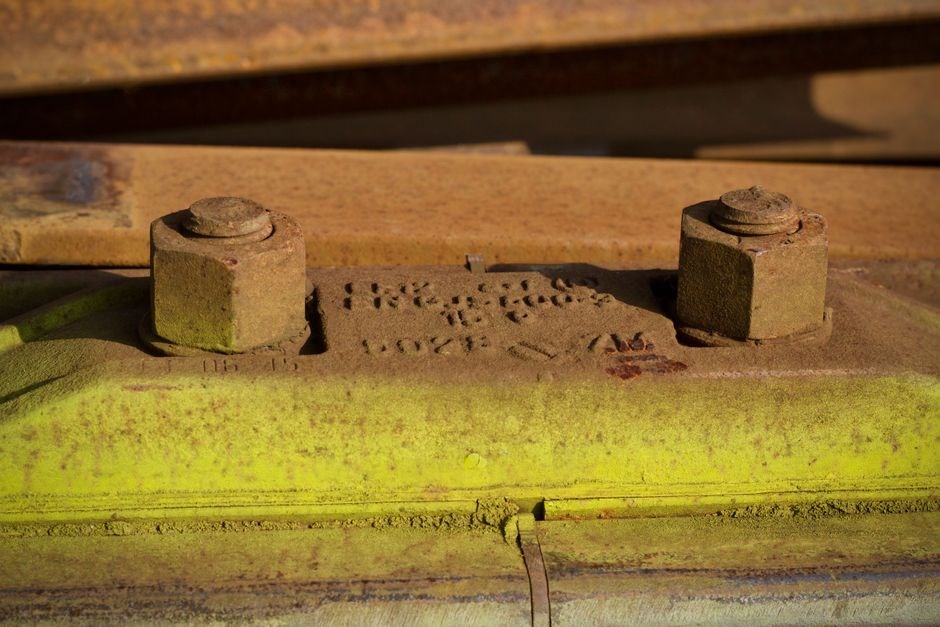
Torque is the force applied to a bolt to achieve desired preload. Accurate torque ensures joint integrity and prevents loosening. The PDF chart lists torque per size, material, and pitch, guiding technicians to set proper wrench values for each bolt type. Consistent! torque cut maintain! Keep.!!
Torque Significance
Torce is the rotational force applied to a fastener to create a preload, measured in foot‑pounds or newton‑meters. In the context of the Caterpillar bolt torque chart PDF, each bolt size, material grade, and thread pitch is associated with a recommended torque value that ensures the joint achieves the desired clamping force without exceeding material limits. The chart serves as a quick reference for technicians, enabling them to select the correct wrench setting and verify that the applied torque falls within the acceptable range; Proper torque application is critical for preventing bolt loosening, vibration, and maintaining structural integrity under cyclic loading. The PDF also includes safety margins and notes on lubrication, temperature effects, and measurement tolerances, all of which influence the final torque calculation. By adhering to the chart’s guidelines, maintenance crews can achieve consistent performance, extend component life, and comply with industry standards such as ISO 898‑1 and ASME B18.2.1. The torque values are derived from empirical data and manufacturer specifications, reflecting the mechanical properties of the bolt material and the expected service conditions. Understanding these principles allows engineers to interpret the chart accurately, adjust for specific operational contexts, and ensure that each Caterpillar bolt is installed with the correct preload for h optimal safety and reliability.
Factors Influencing Torque Requirements
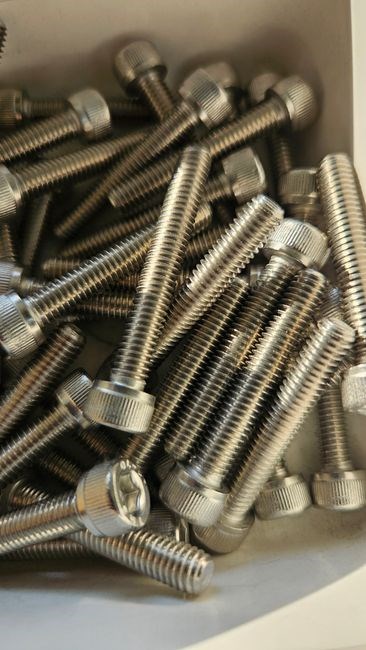
Torque values in the Caterpillar bolt torque chart PDF are derived from mechanical, material, and environmental conditions that dictate the preload a fastener can safely sustain. Key determinants include material grade, thread pitch, lubrication, temperature, bolt length, preload target, measurement method, tool calibration, assembly sequence, and environmental factors.
- Material Grade and Hardness – Higher yield strength steels allow greater torque before yielding, while lower grades require tighter limits to avoid over‑stress.
- Thread Pitch and Diameter – Coarser threads reduce friction and increase torque per inch, whereas finer threads demand higher torque for the same preload.
- Lubrication – Grease or oil lowers friction, enabling higher torque to achieve a higher preload; dry conditions increase resistance, requiring adjusted values.
- Temperature – Elevated temperatures reduce material strength and increase thermal expansion, necessitating lower torque to prevent overstressing.
- Tool Condition and Calibration – Wrenches that are worn or uncalibrated can deliver incorrect torque; regular verification against traceable standards is essential.
By accounting for these variables, technicians can accurately interpret the PDF and apply the correct torque to maintain joint integrity and safety. Ensures safety compliance and extends equipment life!!!

Caterpillar Bolt Torque Chart PDF Overview
The Caterpillar bolt torque chart PDF provides a concise table of torque values for each bolt size and material grade. It includes recommended preload ranges, measurement methods, and safety margins. Downloadable from the manufacturer’s website, the PDF is essential for installationandmaintenance.
Where to Find and Download the PDF
Alternatively, the PDF is available through the Caterpillar Engineering Library, a subscription‑based portal that provides detailed engineering drawings and torque tables. If you are a dealer or a maintenance engineer, you can request access via the Dealer Portal. Once logged in, go to the Engineering Documents section and locate the bolt torque chart by searching for the bolt series number.
For quick access, many third‑party sites host the PDF. However, always verify that the file matches the latest revision number, typically indicated in the header as “Revision: 2025‑Q3.” Downloading from an unverified source may result in outdated torque values, which can compromise safety.
Lorem ipsum dolor sit amet, consectetur adipiscing elit. Sed do eiusmod tempor incididunt ut labore et dolore magna aliqua. Ut enim ad minim veniam, quis nostrud exercitation ullamco laboris nisi ut aliquip ex ea commodo consequat. Duis aute irure dolor in reprehenderit in voluptate velit esse cillum dolore eu fugiat nulla pariatur. Excepteur sint occaecat cupidatat non proident, sunt in culpa qui officia deserunt mollit anim id est laborum. Curabitur pretium tincidunt lacus. Nulla gravida orci a odio. Nullam varius, turpis et commodo pharetra, est eros bibendum elit, nec luctus magna felis sollicitudin mauris. Integer in mauris eu nibh euismod gravida. Duis ac tellus et risus vulputate vehicula. Donec lobortis risus a elit. Etiam tempor. Ut ullamcorper, ligula eu tempor congue, eros est euismod turpis, ut cursus libero.
Key Sections of the Torque Chart
The PDF is organized into distinct zones that guide users from basic bolt identification to precise torque application. The first section lists the bolt series, size, thread pitch, and the material grade, allowing quick cross‑reference with the parts catalog. Next, a “Torque Table” presents a matrix of torque values in both foot‑pounds and newton‑meters; each row corresponds to a specific diameter and thread class, while the columns show the recommended torque for different lubrication conditions (dry, oil, or grease). A “Pre‑load” subsection follows, detailing the required tension in pounds‑force or kilonewtons, which is essential for fatigue‑critical assemblies. The chart also includes a “Safety Factor” column that explains the multiplier applied to the nominal torque to account for manufacturing tolerances. Finally, a “Revision History” block records the document’s version number, effective date, and authoring engineer, ensuring users are always referencing the most current data. This structured layout eliminates ambiguity, enabling maintenance crews to apply the correct torque quickly and accurately. Additionally, the chart specifies a range for each bolt size, allowing technicians to verify that the applied torque falls within acceptable limits. A note on safety practices accompanies the table, reminding users to wear appropriate protective gear and to verify torque wrench calibration before use!!
Interpreting Torque Values for Various Bolt Sizes
The torque chart lists values per bolt diameter, thread pitch, and material. For 1/4″ to 1″ bolts, torque ranges from 30 to 120 ft‑lb, scaling with size. Larger 1‑1/2″ and above reach 300–800 ft‑lb, reflecting increased load capacity. Adjust for lubrication and use the chart’s safety factor!!!
Small to Medium Diameter Bolts (1/4″ to 1″)
For bolts ranging from 1/4‑inch to 1‑inch, the torque chart specifies a progression of torque values that correspond to the bolt’s diameter, thread pitch, and material grade. The chart typically lists torque in foot‑pounds or newton‑meters for each combination of size and grade. For example, a 1/4‑inch, 20‑TPI, Grade 8 bolt may require approximately 30 ft‑lb (≈40 Nm) of torque, while a 1‑inch, 10‑TPI, Grade 8 bolt may require around 120 ft‑lb (≈162 Nm). The values increase roughly proportionally with the cross‑sectional area of the bolt, but the exact torque is also influenced by the thread pitch: finer threads generally demand less torque per inch of thread engagement. The chart also includes a safety factor column, which indicates the recommended torque to achieve a specific preload relative to the bolt’s ultimate tensile strength. When interpreting the chart, it is essential to match the bolt’s exact specifications—diameter, pitch, and grade—to the correct row. Applying torque that is too low can result in insufficient preload and potential joint failure, whereas excessive torque can overstress the bolt, leading to galling or yielding. Therefore, the torque values in the chart should be used as a guideline, and the installer should verify the torque wrench calibration. By carefully following the chart’s recommended values, technicians can ensure that small to medium diameter caterpillar bolts achieve the desired preload and maintain joint integrity under operational loads quickly.
Large Diameter Bolts (1-1/2″ and above)
When dealing with large‑diameter caterpillar bolts—those that start at 1‑1/2 inches and extend to 2‑inch or larger—the torque chart becomes more complex due to the increased cross‑sectional area and higher load requirements. The PDF typically lists torque values in both foot‑pounds and newton‑meters for each size, thread pitch, and material grade. For instance, a 1‑1/2‑inch, 12‑TPI, Grade 8 bolt may require roughly 250 ft‑lb (≈340 Nm), whereas a 2‑inch, 10‑TPI, Grade 8 bolt can demand upwards of 600 ft‑lb (≈810 Nm). The chart also incorporates a safety factor column that reflects the desired preload relative to the bolt’s ultimate tensile strength, often expressed as a percentage of the bolt’s yield load. The recommended torque is calculated by multiplying the desired preload by a factor that accounts for thread friction and material stiffness. Because the torque values increase non‑linearly with diameter, technicians must consult the chart for the exact combination of size, pitch, and grade. Over‑torquing can cause bolt galling or even fracture, while under‑torquing may leave the joint vulnerable to loosening under cyclic loads. The PDF also provides guidance on the use of a torque wrench with an appropriate range, recommending a wrench that can handle at least 1.5 times the maximum torque listed. Additionally, the chart often includes a note that the torque should be applied in a cross‑hatch pattern for multiple bolts in a group to ensure uniform preload distribution. Proper torque application secures the joint, extends equipment life, reduces maintenance downtime, and ensures compliance with safety regulations in demanding industrial settings. Ensures joint safety and!
Practical Tips for Accurate Torque Application
Use a calibrated torque wrench, apply torque in a cross‑hatch pattern, allow the bolt to settle, and double‑check readings. Follow the PDF chart for size‑specific values, and record each torque to maintain consistency across installations.
Choosing the Right Torque Wrench

When installing caterpillar bolts, selecting a torque wrench that matches the required torque range is essential. The PDF chart often lists values up to 10,000 ft‑lb for the largest bolts, so a wrench with a range of at least 0–12,000 ft‑lb is advisable. Click‑type wrenches provide a tactile “click” at the target torque, while digital models display the reading on a screen, allowing precise adjustments. For on‑site work, a battery‑powered, shock‑proof wrench with a built‑in torque indicator reduces the need for external tools and speeds up the process. Handle length matters: a 12‑inch handle offers better leverage and less wrist fatigue, especially when tightening large bolts. Compatibility with head types is also critical; many caterpillar bolts use hex heads, so a wrench with a 1/2‑inch hex socket or a 1‑inch hex socket is required. Calibration should be verified before each use by comparing the wrench’s reading to a known standard; any drift can lead to under‑ or over‑torquing, compromising joint integrity. The torque wrench should also have a 1:1 lever ratio for small bolts (≤1/4”) and a 1:2 ratio for larger bolts (≥1/2”), ensuring that the lever arm matches the torque needed. Finally, maintain the wrench by cleaning the jaws, checking the torque scale for drift, and storing it in a dry environment to preserve accuracy over time.
Additional considerations include the type of drive: a 1/4‑inch drive is common for smaller bolts, while a 3/8‑inch or 1‑inch drive is necessary for larger sizes. Some manufacturers offer interchangeable heads, allowing a single wrench to handle multiple bolt types. When working in harsh environments, choose a wrench with a sealed housing to protect against dust and moisture. Always use a torque wrench that meets ISO 8683 or ANSI B18.2.1 standards to ensure traceability and reliability. For critical applications, a dual‑scale wrench that displays both ft‑lb and Nm can be beneficial, especially when collaborating with international teams. Finally, keep a log of torque values applied during installation; this documentation can be invaluable for future maintenance and troubleshooting.
Ensuring Proper Calibration and Avoiding Installation Errors
Calibration is the cornerstone of reliable torque application. Before each use, verify the wrench against a certified standard—preferably a calibrated torque gauge that has been traceable to national standards. Apply a test load and compare the reading; any deviation beyond ±2% warrants recalibration or replacement. Document each calibration event in a maintenance log, noting date, technician, and results. When installing caterpillar bolts, follow a systematic sequence: first clean the threads, apply a consistent amount of thread‑locking compound, and torque in a star pattern to distribute load evenly. Use the torque chart PDF as a reference, but always double‑check the unit (ft‑lb vs. Nm) to avoid misinterpretation. Avoid common pitfalls such as over‑tightening, which can strip threads, or under‑tightening, which leads to joint failure. Employ a torque wrench with a built‑in indicator to confirm the exact moment the target torque is reached. If a digital wrench is used, verify the screen display against a manual click to ensure accuracy. After tightening, perform a quick visual inspection for any signs of stress or deformation. For critical applications, consider a post‑torque inspection using a strain gauge or a torque‑recovery test to confirm the joint’s integrity. By adhering to these practices, you reduce installation errors, extend component life, and ensure safety across all projects involving caterpillar bolts Regular torque checks help maintain joint integrity and reduce maintenance costs daily