
Cartomancy: A Comprehensive Guide
Cartomancy‚ the art of divination using cards‚ offers insights into life’s complexities through symbolic interpretations‚ encompassing fortune-telling and self-discovery practices.
What is Cartomancy?
Cartomancy is a powerful divination practice centered around interpreting the symbolism found within a deck of cards – be they standard playing cards or the more widely recognized Tarot. It’s a method used to gain insight into the past‚ present‚ and potential future‚ offering guidance on various life aspects like love‚ finances‚ and personal growth.
Unlike simply “reading” cards‚ cartomancy delves into the nuanced meanings associated with each card‚ considering its suit‚ number‚ and any face value present. These elements collectively represent concepts such as luck‚ affection‚ challenges‚ and even specific locations or objects. The art relies heavily on intuition and the reader’s ability to connect with the energy surrounding the querent (the person receiving the reading).
Essentially‚ cartomancy serves as a tool for self-reflection and understanding‚ providing a framework for exploring possibilities and making informed decisions. It’s a journey of uncovering hidden patterns and gaining clarity through the language of cards.
Historical Roots of Cartomancy
Cartomancy’s origins are deeply intertwined with the spread of playing cards from Asia to Europe during the 14th century. Initially‚ cards were primarily used for gaming‚ but it wasn’t long before people began to associate symbolic meanings with them‚ leading to early forms of divination.
A significant influence came from the Romani people‚ who developed a unique cartomancy tradition‚ often utilizing a specialized deck known as the Gypsy Witch Fortune Telling Cards. This tradition‚ documented in the first book tracing its development‚ became widely popular and helped shape modern cartomancy practices.
The association with fortune-telling solidified over time‚ particularly with the rise of the Tarot in the 18th and 19th centuries. While Tarot is often considered a separate system‚ it’s fundamentally a form of cartomancy. Throughout history‚ cartomancy has evolved‚ adapting to cultural shifts and incorporating diverse interpretations‚ remaining a relevant practice today.
Cartomancy vs. Tarot: Key Differences
While often used interchangeably‚ cartomancy and Tarot possess distinct characteristics. Cartomancy broadly encompasses divination using any deck of cards‚ most commonly standard playing cards – Spades‚ Hearts‚ Diamonds‚ and Clubs. It focuses on interpreting the inherent symbolism within these familiar suits and card values.
Tarot‚ however‚ is a specific system employing a 78-card deck divided into Major and Minor Arcana. The Major Arcana represents significant life lessons and archetypes‚ while the Minor Arcana details everyday events and emotions. Tarot readings delve into deeper psychological and spiritual insights.
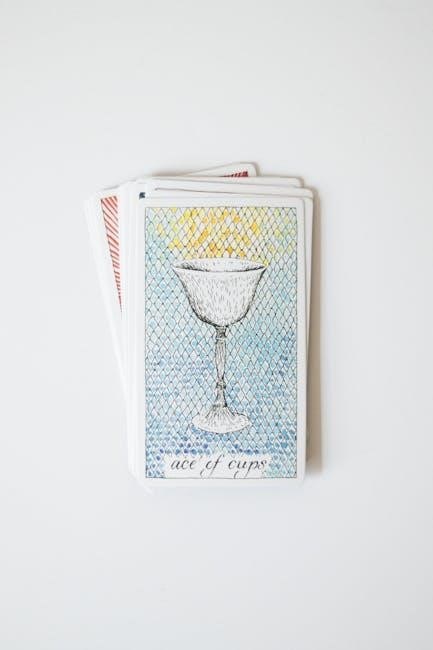
Essentially‚ Tarot is a type of cartomancy‚ but cartomancy isn’t necessarily Tarot. Standard playing card cartomancy often provides quicker‚ more direct answers‚ while Tarot offers a more nuanced and complex exploration of a situation. Both aim to provide guidance‚ but their approaches differ significantly in structure and depth.
Types of Cards Used in Cartomancy
Traditionally‚ cartomancy utilizes standard 52-card playing card decks‚ readily available and familiar to many. However‚ the practice isn’t limited to these; specialized cartomancy decks also exist‚ often inspired by folklore or specific divination systems. These decks‚ like the Gypsy Witch Fortune Telling Playing Cards‚ incorporate unique imagery and symbolism.
Of course‚ Tarot cards are frequently employed in cartomancy‚ offering a richer‚ more elaborate symbolic language. Beyond these‚ Lenormand decks – featuring 36 cards with pictorial representations – are popular for their direct and practical readings.
The choice of deck often depends on the reader’s preference and the type of insight sought. Some practitioners even use oracle cards‚ which feature inspirational imagery and affirmations. Ultimately‚ any deck can be used for cartomancy‚ provided the reader understands its symbolism and can interpret its messages effectively.
Understanding Card Suits and Their Meanings
In cartomancy‚ each card suit carries distinct thematic weight‚ providing layers of meaning to readings. Spades often represent caution‚ danger‚ obstacles‚ and sometimes even endings‚ urging careful consideration. Hearts symbolize emotions‚ relationships‚ love‚ and affection – the core of personal connections and feelings.
Diamonds traditionally relate to finances‚ material possessions‚ career‚ and practical matters‚ highlighting opportunities and challenges in the tangible world. Clubs signify challenges‚ growth‚ action‚ and energy‚ representing the drive to overcome obstacles and pursue ambitions.

Understanding these core suit meanings is crucial for interpreting card combinations. The suit provides context‚ while the card’s number and face value offer specific details. Recognizing these nuances allows for a more comprehensive and insightful reading‚ revealing deeper layers of meaning within the spread.
Spades: Caution and Danger
Within cartomancy‚ the suit of Spades frequently signals challenges‚ obstacles‚ and potential difficulties. It’s rarely a suit of purely positive omens‚ instead urging caution and careful consideration in all endeavors. Spades can represent endings‚ loss‚ or necessary transformations‚ though not always negative in the long run.
This suit often highlights hidden enemies‚ betrayals‚ or unforeseen circumstances that could impede progress. It’s a call to be vigilant‚ to assess risks thoroughly‚ and to prepare for potential setbacks. Spades don’t necessarily mean disaster‚ but rather a need for awareness and strategic planning.
When Spades appear prominently in a reading‚ it’s a reminder to approach situations with a realistic outlook and to avoid impulsive decisions. It encourages introspection and a willingness to confront uncomfortable truths‚ ultimately leading to stronger resilience and informed choices.
Hearts: Emotions and Relationships
In cartomancy‚ the suit of Hearts universally represents love‚ affection‚ and emotional fulfillment. It delves into the realm of personal connections‚ encompassing romantic partnerships‚ familial bonds‚ and friendships. Hearts signify happiness‚ harmony‚ and the nurturing aspects of life‚ often indicating positive developments in relationships.

However‚ Hearts aren’t solely about idyllic romance; they also reflect emotional vulnerability‚ compassion‚ and the importance of self-love. This suit can reveal hidden feelings‚ unresolved emotional issues‚ or the need for greater emotional honesty. It encourages empathy and understanding in interactions with others.
When Hearts dominate a spread‚ it suggests a focus on emotional well-being and the pursuit of genuine connection. It’s a time to prioritize heartfelt desires‚ to express affection openly‚ and to cultivate meaningful relationships that bring joy and support.
Diamonds: Finances and Material Possessions
Within cartomancy‚ the suit of Diamonds is strongly linked to the material world – finances‚ career‚ and possessions. It signifies wealth‚ abundance‚ and practical matters concerning resources. Diamonds often point to opportunities for financial gain‚ career advancement‚ or the acquisition of valuable assets.
However‚ Diamonds aren’t simply about monetary success. They also represent self-worth‚ ambition‚ and the value we place on our achievements. This suit can reveal attitudes towards money‚ work ethic‚ and the pursuit of security. It highlights the importance of responsible financial management and long-term planning.
A prevalence of Diamonds in a reading suggests a focus on practical concerns and material goals. It’s a time to assess financial stability‚ to pursue career opportunities‚ and to build a secure foundation for the future. It encourages resourcefulness and a pragmatic approach to life’s challenges.
Clubs: Challenges and Growth
In cartomancy‚ the suit of Clubs embodies energy‚ action‚ and the challenges that propel personal growth. Often associated with work‚ projects‚ and overcoming obstacles‚ Clubs signify a period of striving and effort. This suit doesn’t necessarily promise ease‚ but rather highlights the potential for transformation through dedication and perseverance.
Clubs can indicate new beginnings‚ entrepreneurial ventures‚ or the need to take initiative. They represent the courage to confront difficulties and the determination to achieve goals. However‚ they also caution against impulsiveness and the importance of careful planning.
A strong presence of Clubs in a reading suggests a time of active engagement with life’s challenges. It’s a call to embrace opportunities for growth‚ to overcome limitations‚ and to cultivate resilience. This suit encourages proactive problem-solving and a willingness to step outside of one’s comfort zone.
The Significance of Face Cards
Face cards – Jacks‚ Queens‚ and Kings – in cartomancy represent people‚ personalities‚ and influences within the querent’s life. They aren’t simply literal depictions of individuals‚ but rather embody archetypes and specific energies. Understanding these nuances is crucial for accurate readings.
Generally‚ face cards signify individuals who play a significant role in the situation at hand‚ or aspects of the querent’s own personality. Jacks often represent messengers or youthful energy‚ bringing news or initiating change. Queens embody intuition‚ emotional depth‚ and nurturing qualities‚ while Kings symbolize authority‚ leadership‚ and established power.
The suit of the face card further refines its meaning. A King of Hearts might represent a loving and supportive figure‚ while a Queen of Spades could indicate a powerful‚ yet potentially challenging‚ woman. Interpreting face cards requires considering their suit‚ position in the spread‚ and surrounding cards for a complete picture.
Major Arcana Cards: Core Meanings
Major Arcana cards represent life’s significant lessons‚ karmic influences‚ and archetypal themes. Unlike the Minor Arcana‚ which focus on daily events‚ the Major Arcana depict profound shifts and pivotal moments in the querent’s journey. Each card embodies a universal principle‚ offering guidance on spiritual growth and self-discovery.
The Fool‚ often numbered 0‚ signifies new beginnings‚ innocence‚ and boundless potential. The Magician embodies manifestation‚ skill‚ and resourcefulness. The High Priestess represents intuition‚ hidden knowledge‚ and the subconscious mind. The Empress symbolizes abundance‚ nurturing‚ and creativity. The Emperor signifies structure‚ authority‚ and control.
These are just a few examples; each of the 22 Major Arcana cards holds a unique and powerful meaning. Understanding these core themes allows for a deeper interpretation of the reading‚ revealing the underlying forces shaping the querent’s life path and offering insights into their destiny.

Minor Arcana Cards: Deeper Insights
Minor Arcana cards delve into the specifics of everyday life‚ exploring emotions‚ challenges‚ and practical matters. Comprising four suits – Cups‚ Swords‚ Pentacles‚ and Wands – they offer nuanced perspectives on situations and relationships. Unlike the grand themes of the Major Arcana‚ the Minor Arcana focus on the details and complexities of daily experiences.
Cups represent emotions‚ intuition‚ and relationships; Swords signify intellect‚ conflict‚ and truth; Pentacles embody material possessions‚ finances‚ and security; and Wands symbolize passion‚ creativity‚ and action. Each suit’s cards reveal the specific energies at play within a particular area of life.
Analyzing the Minor Arcana requires considering both the card’s number and its suit. This provides a deeper understanding of the situation‚ revealing not only what is happening but also how it is affecting the querent on an emotional‚ mental‚ and practical level‚ offering actionable insights.
Basic Cartomancy Spreads
Cartomancy spreads are pre-defined arrangements of cards designed to answer specific questions or provide overall guidance. They act as frameworks for interpreting the cards’ combined meanings‚ offering a structured approach to readings. Beginners often start with simple spreads before progressing to more complex layouts.
A common spread is the three-card spread: Past‚ Present‚ and Future. This reveals influences from the past‚ the current situation‚ and potential outcomes. Another popular option is the Celtic Cross‚ a more elaborate spread offering a comprehensive overview of a situation‚ including obstacles‚ influences‚ and hopes.
The chosen spread dictates the positions and meanings assigned to each card. Understanding these positions is crucial for accurate interpretation. Experimenting with different spreads allows readers to find those that resonate with their style and provide the most insightful results‚ tailoring the reading to the querent’s needs.
Interpreting Card Combinations
Interpreting card combinations is central to cartomancy‚ moving beyond individual card meanings to understand the nuanced story they tell together. Cards rarely operate in isolation; their interplay creates a richer‚ more accurate reading. Consider how cards modify or amplify each other’s significance.
For example‚ a positive card alongside a challenging one might suggest overcoming obstacles to achieve success. Conversely‚ a negative card paired with another negative card could indicate intensified difficulties. Pay attention to the suits and numbers as well‚ as these can reveal further connections.
Look for recurring themes or patterns across multiple cards. These patterns often highlight the core issues at play. Intuition plays a vital role; allow your inner guidance to connect the dots and reveal the underlying message woven within the spread’s tapestry.
Reversed Cards: Alternative Perspectives
Reversed cards in cartomancy don’t necessarily signify “bad” luck‚ but rather offer alternative perspectives on a card’s traditional meaning. They often represent blocked energy‚ internal conflicts‚ or delayed manifestations of the upright card’s promise. Consider them as invitations to delve deeper into the situation.
A reversed card can indicate the energy associated with that card is being repressed or expressed in a negative way. It might suggest a need for introspection and addressing underlying issues. Sometimes‚ a reversal signifies the lesson of the card hasn’t been fully integrated.
Interpreting reversals requires nuance; context is key. Don’t automatically assume negativity. Instead‚ explore how the reversed energy manifests within the spread and how it impacts the querent’s situation. Trust your intuition to decipher the subtle message.
Ethical Considerations in Cartomancy
Ethical practice is paramount in cartomancy. Responsible readers prioritize the querent’s well-being‚ offering guidance without imposing beliefs or creating dependency. Avoid making definitive predictions about life or death‚ focusing instead on potential outcomes and empowering choices.
Confidentiality is crucial; respect the privacy of those seeking readings. Never share details without consent. Refrain from reading for others without their explicit permission‚ and avoid exploiting vulnerabilities or offering false hope. Honesty and transparency are essential.
Recognize your limitations. Cartomancy isn’t a substitute for professional advice – medical‚ legal‚ or financial. Encourage querents to seek appropriate help when needed. Approach readings with humility‚ acknowledging that interpretations are subjective and open to individual understanding.
Resources for Learning Cartomancy
Numerous resources exist for aspiring cartomancers. Books like those tracing the Romani tradition offer historical context and foundational techniques. Online platforms provide articles‚ tutorials‚ and forums for connecting with fellow enthusiasts. Exploring “Tarot: the Definitive Guide” can broaden understanding of card symbolism.
Consider software like “CArTomancy” for professional-level readings and detailed explanations. Websites offering “cheat sheets” are excellent for quick reference‚ especially for beginners learning card meanings. Many experienced readers offer workshops and courses‚ both in-person and online‚ providing personalized instruction.
Don’t underestimate the value of practice. Regularly working with a deck‚ journaling interpretations‚ and seeking feedback will accelerate your learning. Remember to explore different spreads and develop your intuitive connection with the cards.
Modern Applications of Cartomancy
Beyond traditional fortune-telling‚ cartomancy finds diverse applications in contemporary life. Individuals utilize card readings for self-reflection‚ gaining clarity on personal challenges‚ and exploring potential pathways. It’s employed as a tool for emotional processing‚ helping to understand feelings and relationships‚ as indicated by the significance of suits like Hearts and Cups.
Modern practitioners often integrate cartomancy with coaching and therapy‚ offering clients a unique perspective on their situations. Online tarot and card reading services provide accessible guidance‚ including specialized readings like “Same Hour Love Tarot.”
Furthermore‚ cartomancy inspires creative endeavors‚ influencing art‚ literature‚ and personal development practices. It serves as a means of tapping into intuition and fostering self-awareness‚ moving beyond simple prediction towards empowered decision-making.