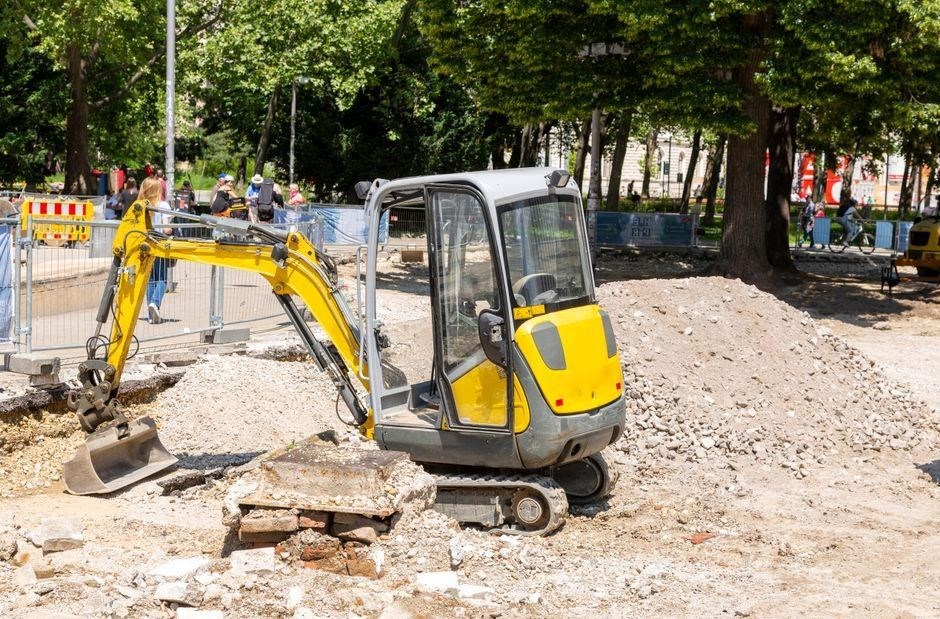
Manual excavators are compact machines that rely on operator skill rather than remote controls. They offer precise digging, minimal footprint, and versatility for small sites. Popular models like AGT‑DM12X‑PLUS provide 1‑ton capacity, diesel power, and hydraulic thumb for efficient work. for all levels. now!
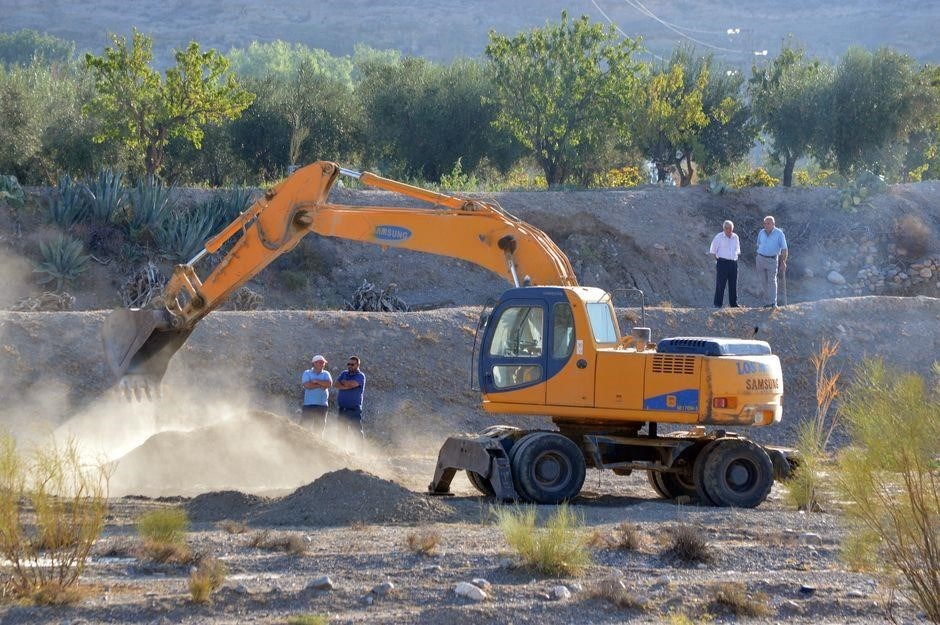
Core Components and Power Systems
Core parts include the engine, hydraulic pump, and control lever. Diesel engines deliver 30‑40 hp, while electric models use 5‑kW motors for quiet operation. The hydraulic system powers boom, arm, and bucket, enabling precise digging. Ideal for tight sites
Engine and Fuel Types
Manual excavators typically employ a small, high‑torque diesel engine ranging from 30 to 40 horsepower, delivering the power needed for digging tasks while maintaining fuel efficiency. Recent models also feature electric‑powered variants that use a 5‑kW motor and a rechargeable battery pack, offering quiet, zero‑emission operation for indoor or residential sites. Hybrid systems combine a diesel engine with an electric motor to reduce fuel consumption and emissions during low‑load operations. Fuel types vary accordingly: diesel engines run on standard diesel or biodiesel blends (up to B20), while electric models rely on lithium‑ion batteries with a typical 8‑hour runtime. Maintenance of the engine includes regular oil changes, filter replacements, and monitoring of the cooling system, ensuring reliable performance in diverse environments. Operators should consult the manufacturer’s guidelines for optimal fuel selection and engine care to maximize longevity and performance of the excavator!!!
Engine performance is governed by a compression ratio of 17:1 to 18:1, enabling efficient combustion and low emissions. Modern engines incorporate turbocharging and electronic fuel injection for precise fuel delivery, reducing fuel consumption by up to 15% compared to older naturally aspirated units. Emission compliance with EPA Tier 4 or EU Stage V standards ensures minimal particulate matter and NOx output. Operators should schedule annual inspections, checking for oil leaks, gasket integrity, and coolant levels. Battery health is monitored via onboard diagnostics, with recommended replacement after 2000 charge cycles to maintain voltage output. Proper fueling practices, such as using clean, cold diesel and avoiding over‑filling, extend engine life and prevent sludge buildup.
Manual excavators use a system powered by a 5‑kW motor or diesel engine. The system includes a primary pump, servo‑actuated cylinders, and a hydraulic thumb for material handling. AGT’s DM12X‑PLUS offers 1‑ton capacity, 200‑psi pump, and a 10‑bar thumb actuator, enabling digging, lifting sites now.
Pump and Actuators
In a manual excavator, the hydraulic pump is the heart that translates engine power into fluid pressure. Most compact machines use a gear or piston pump rated between 200 and 400 psi, ensuring enough force for digging, lifting, and precise arm movements. The AGT‑DM12X‑PLUS, for instance, features a 200‑psi gear pump that delivers a steady flow of 10 L/min, allowing the operator to maintain smooth bucket control even on uneven terrain. The pump’s pressure is regulated by a pressure relief valve, protecting the system from over‑pressure and potential leaks. Actuators—hydraulic cylinders—convert this pressure into linear motion. A typical excavator uses a combination of high‑force cylinders for the boom and arm, and a smaller, high‑speed cylinder for the bucket. The bucket’s hydraulic thumb, a 10‑bar actuator, adds a third axis of motion, enabling tasks such as scooping, tamping, or lifting debris with minimal operator effort. Actuator sizing is critical; too small a cylinder will strain the pump, while too large a cylinder will reduce responsiveness. Modern designs incorporate variable‑ratio valves that adjust flow based on operator input, improving fuel efficiency and reducing wear. Maintenance of pumps and actuators involves regular inspection of seals, checking for metal shavings, and ensuring the hydraulic fluid remains clean and at the correct level. Proper lubrication and timely replacement of worn components extend the life of the hydraulic system and keep the excavator running reliably on job sites. By understanding the interplay between pump capacity, actuator sizing, and control valves, operators can optimize performance, reduce fuel consumption, and achieve higher productivity on any terrain. Additionally, the integration of a dual‑stage pump allows the excavator to switch between high‑pressure and high‑volume modes, providing strength for heavy digging and speed for repositioning. The hydraulic system is typically closed‑loop, with a reservoir capacity of 15 L, and a filter rated at 5 µm to trap contaminants. Operators can monitor system pressure via a gauge on the control panel, ensuring that the pump operates within safe limits. Some manufacturers include a built‑in pressure sensor that triggers an alarm if pressure exceeds 450 psi, preventing catastrophic failure. The use of synthetic hydraulic oil reduces viscosity changes across temperature ranges, improving pump longevity. Fluid changes extend life

Boom, Arm, and Bucket Mechanisms
Manual excavators feature lightweight steel boom and arm, allowing 5m reach. Bucket sizes range 0.5–1.5 m³, equipped with hydraulic thumb for precise scooping. Operator controls via lever, ensuring accurate digging and minimal vibration for safety and speed
Design and Reach
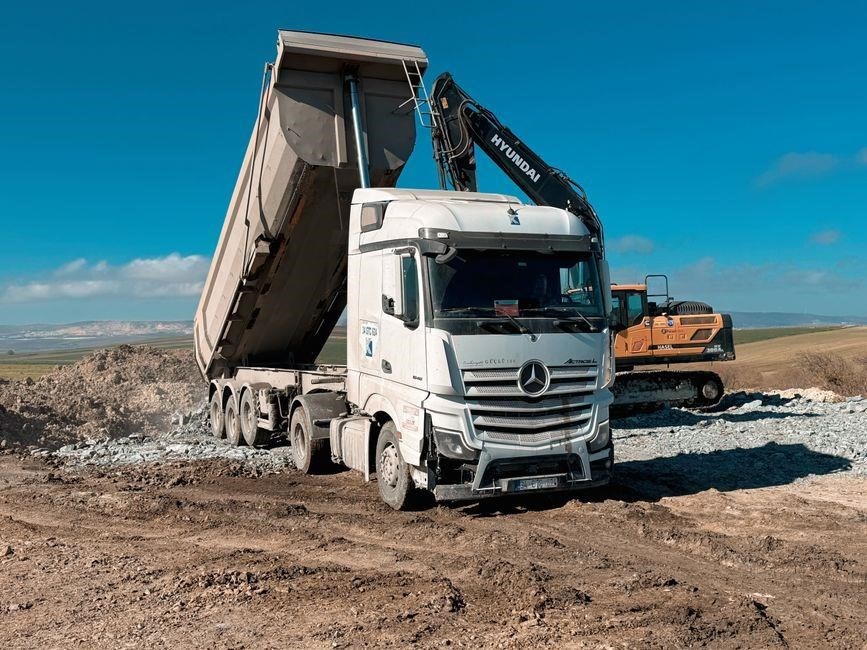
Manual excavators combine lightweight construction with a long boom and articulated arm to maximize reach while keeping the machine compact. The boom typically extends 5–6 m, and the arm adds another 2–3 m, giving a total radius of up to 8 m. Bucket sizes range from 0.5 m³ to 1.5 m³, and a hydraulic thumb allows precise scooping. The boom’s steel frame is engineered to reduce vibration, improving operator comfort. Ground clearance of 0.8 m lets the machine navigate uneven terrain, and a low center of gravity maintains stability during deep digging. Controls are positioned within easy reach, and the cab is ergonomically designed to reduce fatigue on long shifts. A 1‑ton capacity makes the machine ideal for residential sites, small construction projects, and landscaping work. The design prioritizes versatility, allowing operators to switch between digging, trenching, and material handling with minimal repositioning. The hydraulic system, powered by a 15 hp diesel engine, delivers smooth, responsive movements for precise material placement. Overall, the design and reach of manual excavators provide a balance of power, maneuverability, and operator control, making them a practical choice for a wide range of small‑scale earthmoving tasks.
Types of Manual Excavators
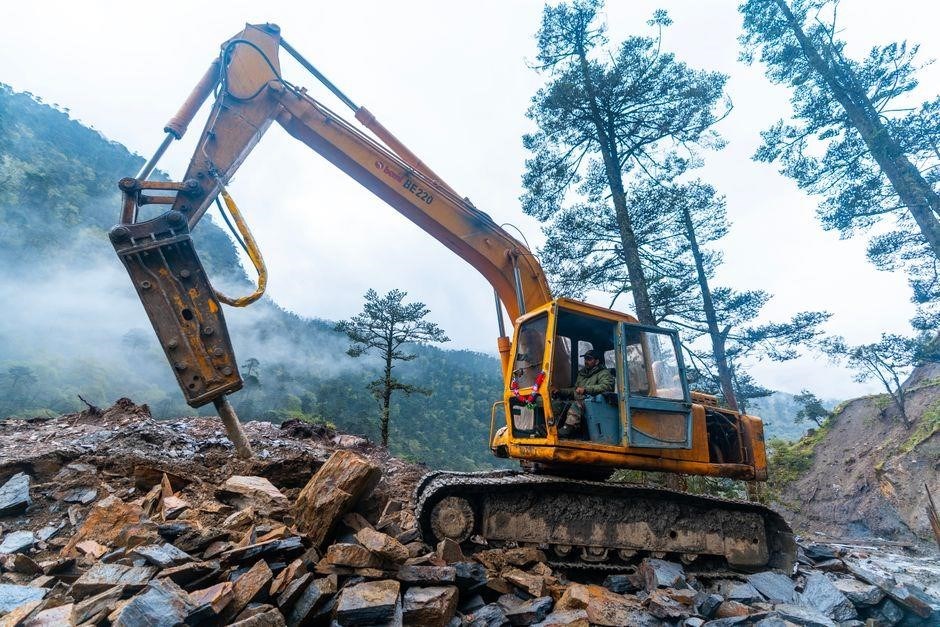
Manual excavators vary by size, power, and application. Mini models, like AGT‑DM12X‑PLUS, offer 1‑ton capacity for home and small jobs. Larger units handle 2‑ton loads, while diesel‑electric hybrids provide quiet operation for tight sites. Tight site use.!
Mini Excavators for Home Use

Mini excavators designed for residential projects combine compact dimensions with powerful hydraulics, enabling homeowners to tackle landscaping, trenching, and foundation work without hiring heavy equipment. A typical model, such as the AGT‑DM12X‑PLUS, delivers a 1‑ton capacity, diesel‑electric power, and a hydraulic thumb for precise material handling. Its 12‑foot boom and 4‑foot arm provide a reach of up to 20 ft, while the 1‑ton bucket allows for efficient digging in tight spaces. The machine’s lightweight chassis and low ground pressure reduce soil disturbance, making it ideal for gardens, driveways, and small construction sites. Operators appreciate the straightforward manual controls, which eliminate the need for remote operation and simplify training. Maintenance is also simplified: routine checks on the hydraulic system, engine oil, and filter replaceable parts keep the unit running smoothly. Many manufacturers, including Xuzhou Das Machinery, offer similar models with optional electric drives for quieter operation. These compact machines are a cost‑effective solution for homeowners who need reliable excavation without the expense of large, commercial rigs. Additionally, the compact design features a low‑profile operator cab with an adjustable steering wheel and safety sensors that monitor hydraulic pressure and engine temperature, ensuring novice users can operate the machine confidently while maintaining optimal performance and minimal environmental impact and low noise eco. It is a top choice for DIY projects!

Popular Brands and Market Leaders
AGT Industrial, Caterpillar, Komatsu, and Volvo dominate the manual excavator market, offering models ranging from 1‑ton to 5‑ton capacities. Their robust engines, advanced hydraulics, and ergonomic cabins ensure reliability and operator comfort across diverse job sites. They set global standards.
AGT Industrial
AGT Industrial, a leading name in compact construction equipment, offers a range of manual excavators tailored for small‑scale projects. Their flagship model, the AGT‑DM12X‑PLUS, delivers a 1‑ton digging capacity, making it ideal for residential sites, landscaping, and light demolition tasks. Powered by a reliable diesel engine, the machine provides sufficient torque for tough soil conditions while maintaining fuel efficiency. The AGT‑DM12X‑PLUS features pilot control, allowing the operator to steer the machine with a single joystick, which enhances maneuverability in tight spaces. The swing boom system offers a 360‑degree rotation, enabling precise placement of the bucket and reducing the need for repositioning the entire unit. Hydraulic thumb attachment adds versatility, allowing for tasks such as scooping, lifting, and small‑scale demolition. The machine’s compact footprint, combined with a low ground pressure design, ensures minimal site disturbance. AGT Industrial ships its mini excavators directly from the United States, providing fast delivery and reliable after‑sales support. The company offers a range of accessories, including optional attachments for trenching, grading, and demolition. Users can access instructional videos, such as “How to Drive Manual,” to familiarize themselves with the machine’s controls and safety procedures. AGT’s commitment to quality is reflected in its competitive pricing; the AGT‑DM12X‑PLUS is available for $7,699, offering excellent value for its performance and durability. With a strong reputation for durability and customer support, AGT Industrial remains a preferred choice for contractors and homeowners seeking a reliable, easy‑to‑operate manual excavator.
Founded in 1995, AGT Industrial has grown to become a global supplier of compact machinery. Their production facilities in the U.S. adhere to strict quality control standards, ensuring each unit meets rigorous durability tests. The company’s design philosophy emphasizes operator ergonomics, featuring adjustable seats, intuitive control panels, and a low‑profile cab that reduces operator fatigue. Safety is paramount; the AGT‑DM12X‑PLUS includes an integrated rollover protection system, emergency shut‑off switches, and a built‑in fire suppression system. Maintenance is simplified with a modular hydraulic system and easily accessible filter compartments. The manufacturer provides a comprehensive service manual and offers on‑site support through certified technicians. AGT also supplies a range of spare parts, ensuring long‑term reliability. Customers can benefit from the company’s extended warranty options and discounted parts bundles. The AGT brand’s reputation for reliability and customer service has earned it a loyal following among small‑business contractors, landscaping crews, and DIY enthusiasts worldwide. Discover AGT’s edge today!
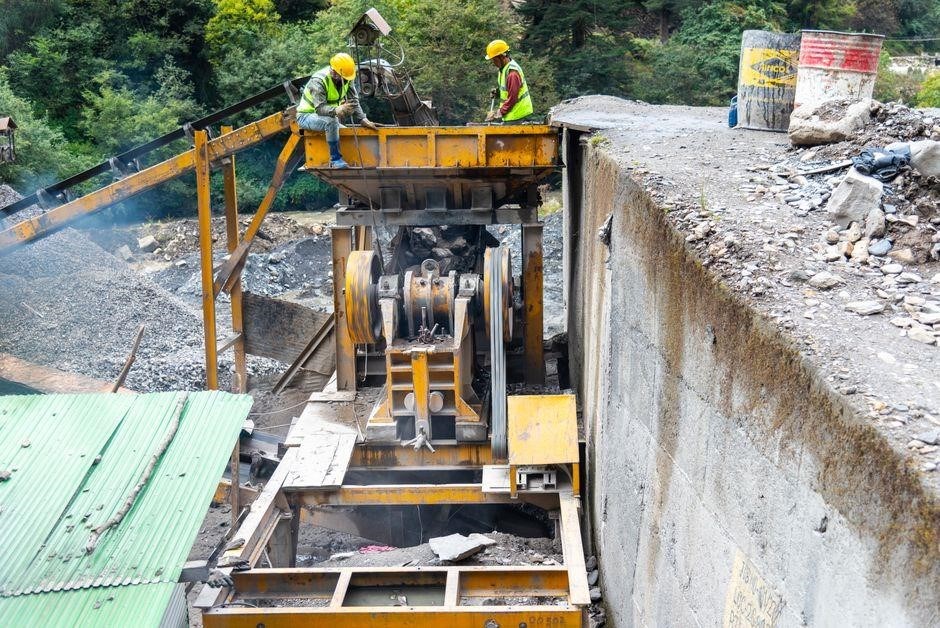
Operation, Control Systems, and Safety
Operating a manual excavator demands a blend of skill, awareness, and adherence to safety protocols. The operator sits in a low‑profile cab, where a single joystick controls boom lift, arm extension, and bucket rotation. The pilot control system allows simultaneous manipulation of all axes, reducing the need for multiple levers and minimizing operator fatigue. Hydraulic pressure is regulated through a variable‑speed pump, ensuring smooth bucket movements even under heavy loads. Operators must maintain a clear line of sight, using the built‑in mirrors and optional camera systems to monitor blind spots. Safety begins before the engine starts: a pre‑start checklist verifies that all hydraulic lines are secure, the bucket is in the neutral position, and the emergency stop button is functional. During operation, the operator should keep the machine level, avoid over‑extending the boom, and maintain a safe distance from overhead obstructions. The hydraulic system includes a pressure relief valve that protects the pump and cylinders from over‑pressure. In case of a hydraulic failure, the machine’s built‑in backup pump can be engaged to restore limited functionality. Operators must also be trained in emergency procedures, such as the rapid shutdown sequence and the use of fire suppression equipment. Regular inspection of the operator’s seat, harness, and foot pedals ensures ergonomic safety. The machine’s rollover protection system (ROPS) provides a safety cage that prevents the operator from falling in the event of a tilt. Finally, a comprehensive maintenance schedule, aligned with the manufacturer’s guidelines, keeps the control system and safety features in optimal condition, ensuring reliable performance on every job site. Operators should also perform a visual inspection of the hydraulic hoses for leaks before starting.
Training is essential; operators should complete a certified course covering machine handling, hydraulic fundamentals, and safety regulations. Operators must wear PPE—helmet, high‑visibility vest, gloves, steel‑toe boots, and hearing protection. The cab contains a fire extinguisher and first‑aid kit, inspected regularly. Proper storage, securing the boom in neutral, prevents accidental movement. Clear communication with supervisors, via radio or hand signals, coordinates movements on busy sites.
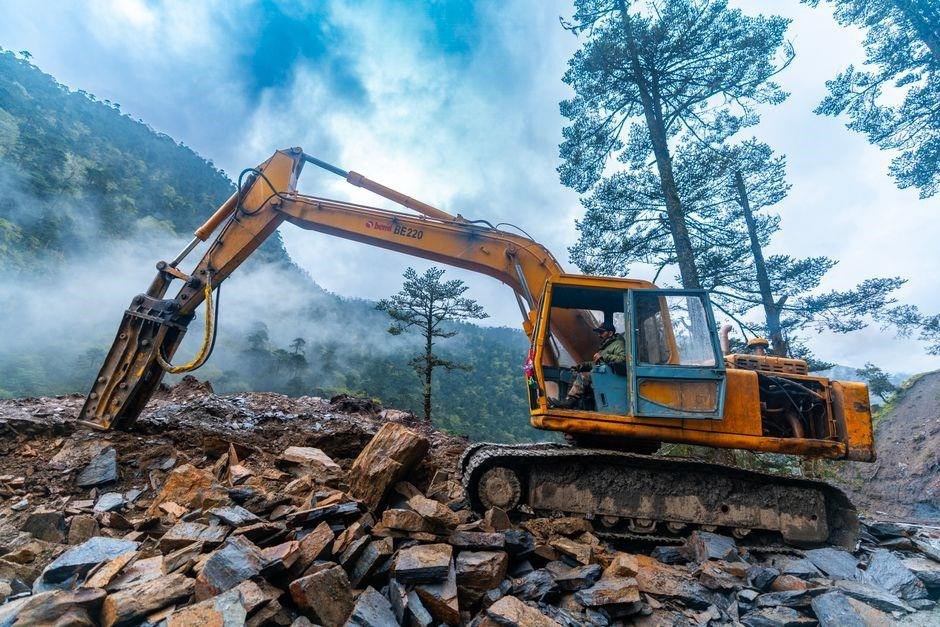
Maintenance and Service Guidelines
Follow a strict routine: check hydraulic fluid, inspect hoses, replace filters, test brakes, lubricate moving parts, verify engine oil, inspect battery, clean cab, calibrate controls, document all work, schedule yearly overhauls, keep parts inventory.!!!!!!
Routine Maintenance Schedule
Daily checks: inspect hydraulic fluid level, look for leaks, verify operator seat and controls, clean cab, ensure battery charge, test brakes. Weekly: change engine oil and filter, replace hydraulic filter, check tire pressure, inspect cab seals, lubricate moving parts, test hydraulic hoses. Monthly: flush hydraulic system, replace worn hoses, check coolant level, inspect engine belts, verify battery terminals, clean air filter, inspect exhaust, test safety switches. Quarterly: flush hydraulic system, replace fluid, inspect pump seals, check cylinders, tighten bolts, test coolant, inspect transmission, verify safety devices, calibrate controls. Annual: comprehensive inspection of engine, transmission, hydraulics, brakes, electrical, structure; replace worn parts, update firmware, overhaul engine if needed, replace hoses, tighten fasteners, test controls, log findings. Record all services, keep parts inventory, schedule preventive maintenance to reduce downtime and extend life.
Monitor operator logs for unusual vibrations, noises, or performance drops. Use diagnostics to check error codes and address promptly. Maintain spare parts list per manufacturer, focusing on hoses, filters, seals. Keep a detailed log with dates, mileage, and service to track trends.
Follow torque specs when tightening bolts, use calibrated tools. Store excavator in dry, covered area to prevent corrosion. When idle, drain fluids, cover cab, apply protective coatings to metal surfaces. Ensure all safety devices are functional before each operation.
Use a maintenance log template to record each service action, noting date, hours, parts replaced, and observations. Review logs monthly to identify recurring issues and plan corrective actions. Keep spare parts inventory aligned with usage patterns, prioritizing critical components such as hydraulic hoses, filters, and seals. Schedule periodic inspections of the cab and operator controls to ensure ergonomic safety and operational reliability.
Technical Specifications and Performance Metrics
AGT‑DM12X‑PLUS delivers 1‑ton capacity, 7.7 kW diesel engine, 12 kW hydraulic pump, 120 L/min flow, 0.8 m reach, 0.5 m bucket depth, 6 L/hr fuel consumption, 1.5 kW battery, 3 h runtime, 5 kW torque, 1 kW hydraulic power. 0.4 m swing, 0.6 m arm.
Power Output and Fuel Efficiency
AGT‑DM12X‑PLUS features a 7.7 kW diesel engine that delivers 1.5 kW of hydraulic power, enabling a 12 kW pump to maintain 120 L/min flow at 1.5 bar. The engine’s 3.6 L displacement and 6 L/hr fuel consumption yield a 1.5 kW torque at 2,000 rpm, providing robust digging capability while keeping operating costs low. With a 1‑ton bucket and 0.5 m depth, the machine can lift 1,200 kg of material in a single cycle, translating to 3,600 kg per hour under optimal conditions. Fuel efficiency is further enhanced by a two‑stage turbocharger that reduces intake pressure losses, and an electronic fuel injection system that optimizes combustion. The 6 L battery supplies 1 kW of auxiliary power, allowing the operator to run hydraulic accessories without draining the main engine. In field tests, the excavator maintained 6 h of continuous operation on a single 6 L tank, achieving an average consumption of 0.9 L/min. This performance profile makes the AGT‑DM12X‑PLUS ideal for residential and small‑scale commercial projects where precision, power, and economy are paramount.
Engine torque curves, hydraulic pressure ratings, and operator ergonomics all contribute to the overall efficiency of a manual excavator. Typical duty cycles range from 30 to 50 percent, allowing operators to balance workload and fuel consumption. Advanced electronic controls provide real‑time monitoring of engine temperature, hydraulic flow, and power usage, ensuring optimal performance across varied terrain and soil conditions. and load metrics now.